Soviet Betrayal SCHEME UNCOVERED in Churchill Archives
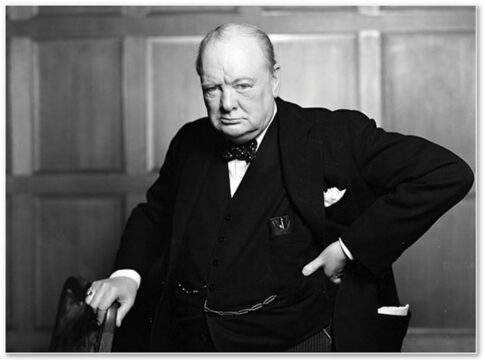
Seven shocking revelations about Winston Churchill expose a complex leader whose controversial wartime decisions and eccentric personal habits challenge the sanitized heroic image promoted by establishment historians.
Churchill’s Wartime Excesses and Personal Quirks
Winston Churchill’s approach to warfare included unusual personal provisions that reflected both his privileged background and unconventional leadership style. During the Boer War, Churchill transported 60 bottles of alcohol to sustain himself through the campaign, demonstrating priorities that would raise eyebrows among today’s military leadership. His wartime travels during WWII required a pressurized “life pod” due to health concerns, while his naval voyages included a machine gun-equipped lifeboat designed to resist capture rather than surrender.
These eccentric preparations reveal a leader who refused to accept conventional limitations, whether imposed by military protocol or personal safety considerations. Churchill’s insistence on elaborate security measures and personal comforts during wartime operations reflected both his understanding of his strategic importance and his aristocratic expectations of accommodation.
Operation Unthinkable: Churchill’s Secret Soviet Attack Plan
Perhaps the most controversial revelation involves Churchill’s 1945 development of Operation Unthinkable, a detailed military plan for launching a surprise attack against Soviet forces immediately following Germany’s defeat. This operation would have betrayed Britain’s wartime alliance with Stalin’s regime, potentially extending World War II indefinitely. Churchill commissioned this planning while publicly maintaining diplomatic relations with Soviet leadership, demonstrating the duplicitous nature of international wartime politics.
The operation’s existence exposes Churchill’s prescient understanding of Soviet expansionist ambitions, recognizing Stalin’s threat to Western values before other Allied leaders acknowledged this reality. While critics condemn this planning as treacherous, supporters argue Churchill correctly identified the communist threat to individual liberty and democratic governance that would define the Cold War era.
Emotional Leadership and Historical Communications
Contrary to popular perceptions of stoic British leadership, Churchill frequently displayed emotional vulnerability in Parliament, often moved to tears during critical moments. These public displays of emotion humanized his leadership style while demonstrating genuine investment in Britain’s survival during existential threats. His willingness to show authentic emotion contradicted traditional expectations of masculine political leadership.
Churchill’s correspondence also marked linguistic history, as the first recorded use of “OMG” appeared in a 1917 letter addressed to him. This detail illustrates how communication innovations emerged during periods of global conflict, with military and political correspondence driving language evolution. Churchill’s escape from a South African POW camp, traveling 300 miles to freedom, further demonstrated his personal courage and refusal to accept defeat under impossible circumstances.
Sources:
Facts About Winston Churchill – History Hit
Winston Churchill Facts – History Extra
10 Facts About Winston Churchill – Royal Mint
10 Things You Didn’t Know About Winston Churchill – Sky History


 Posts
Posts


Hidden from most history books is the fact that Stalin and Hitler were allies when WWII started. WWII began about a week after the Molotov-von Ribbentrop Treaty in which they divided Europe between them.
I am of the frame of mind that there would not have been a WWII without that treaty. Hitler was insane, but not crazy enough to start a two-front war with Stalin on his East and the UK in the West. France pretty much sat out the start of the war.