Targeted Covid-19 vaccination may be needed, WHO official says
From CNN’s Naomi Thomas
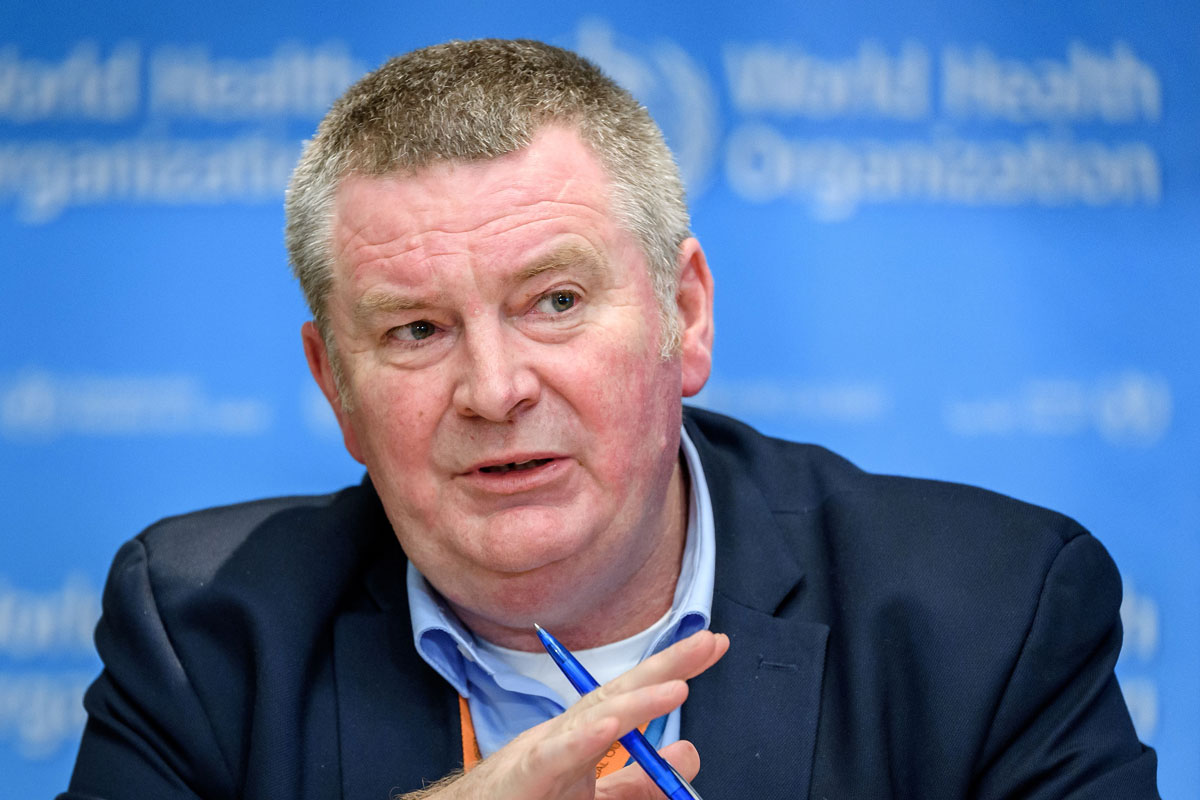
While modeling studies have suggested that around 60 to 70% of the population would need to be immune to Covid-19 in order to achieve herd immunity, targeted vaccination may be needed to defeat the virus, said Dr. Mike Ryan, executive director of the World Health Organization’s health emergencies program.
Ryan said it may take “some very clever vaccination strategies” that target people in society who are more likely to carry, transmit and spread the virus.
Herd immunity is built around the idea that disease spreads evenly through a community and that everyone’s absolute risk of being infected is about the same, Ryan explained during a news briefing in Geneva on Friday.
But the virus does not spread evenly.
If there are lots of protected people surrounding those who are unprotected then “effectively, there’s a barrier. There’s a firewall around some who are not vaccinated, a firewall of vaccinated people, and therefore you can achieve control and eradication, sometimes, without vaccinating everyone,” he said.
“The virus is very opportunistic,” added Ryan. “We've seen that the virus can spread, in particular circumstances, we've seen in many clusters that only 20% of the cases go on to transmit to others. Eighty percent don't transmit to anybody else. We've seen superspreading events, certain contexts and certain groups who mix and the disease can explode.”
While an overall number may be important in terms of policy, Ryan said it will be important to be strategic about which groups are targeted for vaccination.
“It may be much more important to target certain sections of the community than it will be to necessarily target some others who may not be participating in transmission as much,” he said.
And the vaccine may not be a miraculous solution to the pandemic, he cautioned. “I don’t think anyone can promise eradication of this virus until we understand much more about the vaccine, and much more about how the vaccines work in the real world and until we understand much more about the details of transmission of this virus.”
Katherine O’Brien, director of Immunization, Vaccines and Biologicals at WHO, added to Ryan’s point with the example of measles. Last year was a terrible year for measles outbreaks globally, she said.
“Many of those outbreaks were happening in countries that had very high measles vaccine coverage,” she said. “But it wasn’t about the whole country’s coverage that was important, it was about the sub communities, the sub national coverage.”


 Posts
Posts

